Contemplate
Published on
ExploreStyle meets comfort – we’ll show you how to stay sharp on every slope.
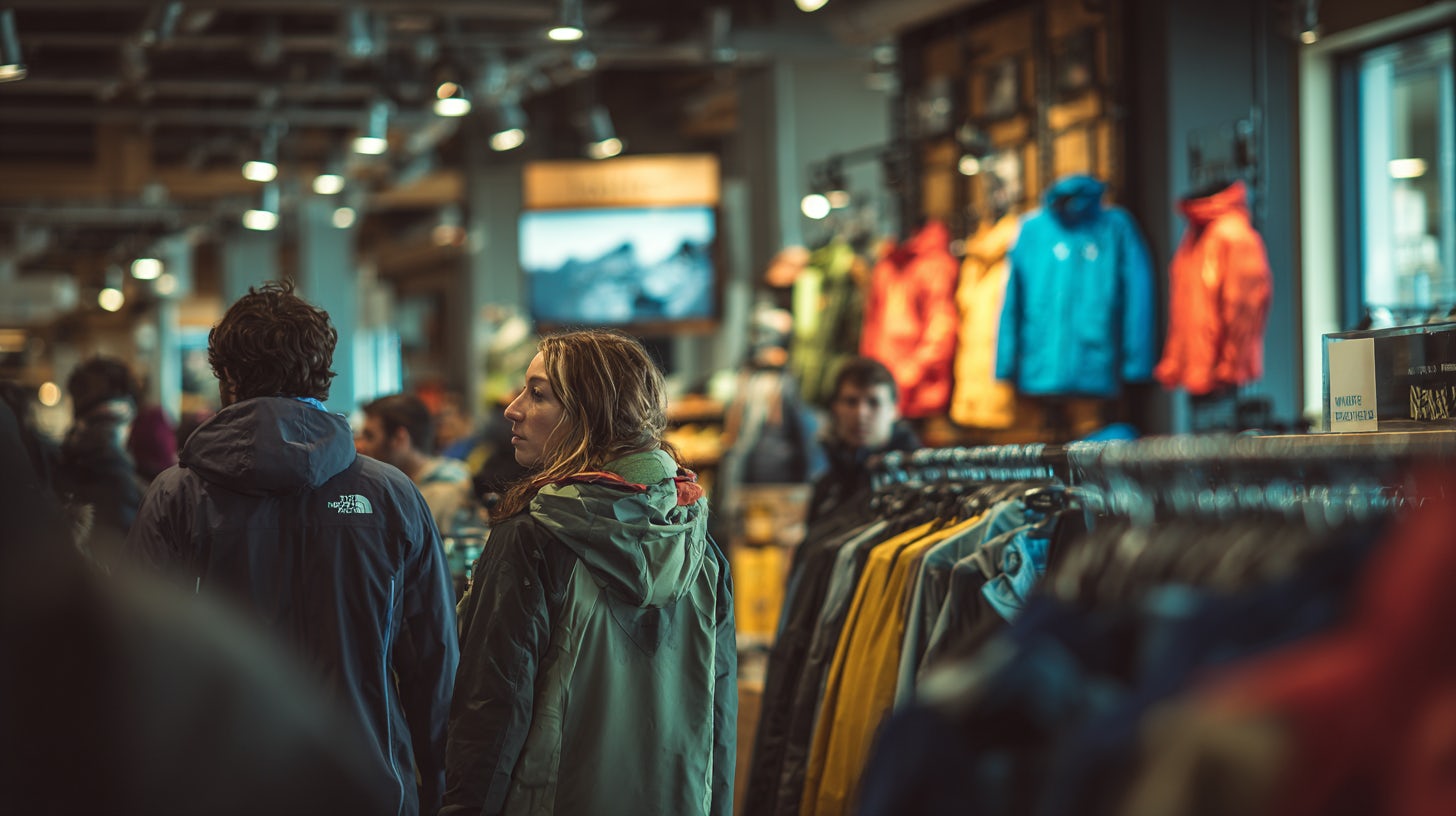
Too hot, too cold... Up here, the extremes don’t forgive. Whatever the activity, the mantra is the same: the three-layer rule, a.k.a. the “onion technique.”
Nothing to do with soup – though that warms you too.
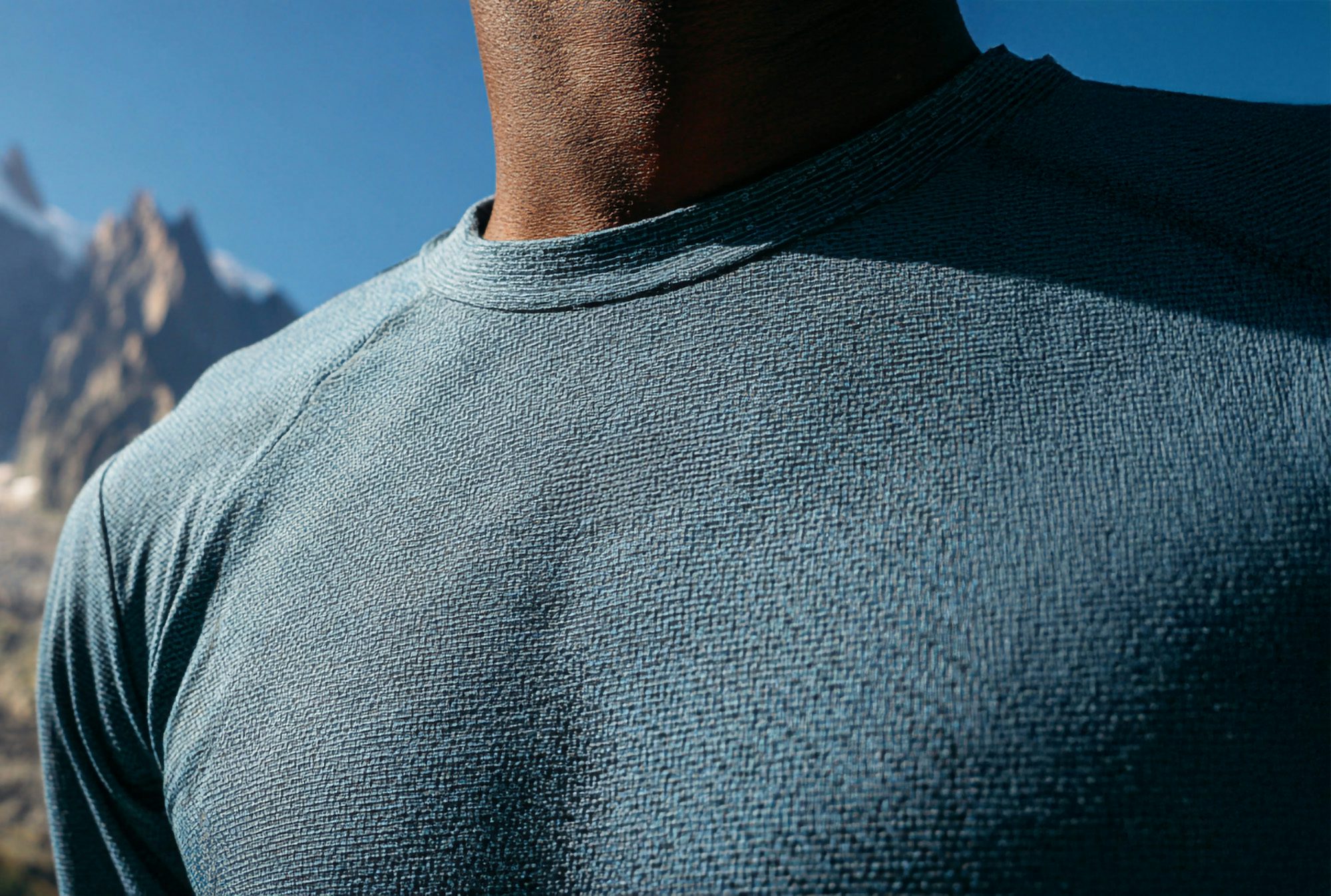
Start with thermal underwear, like the ones at Odlo: a short or longsleeved top and boxers. Ditch the cotton – it traps sweat and chills. To stay dry even when it’s cold, go for synthetics – or better, wool, for its almost magical thermo- regulating power.
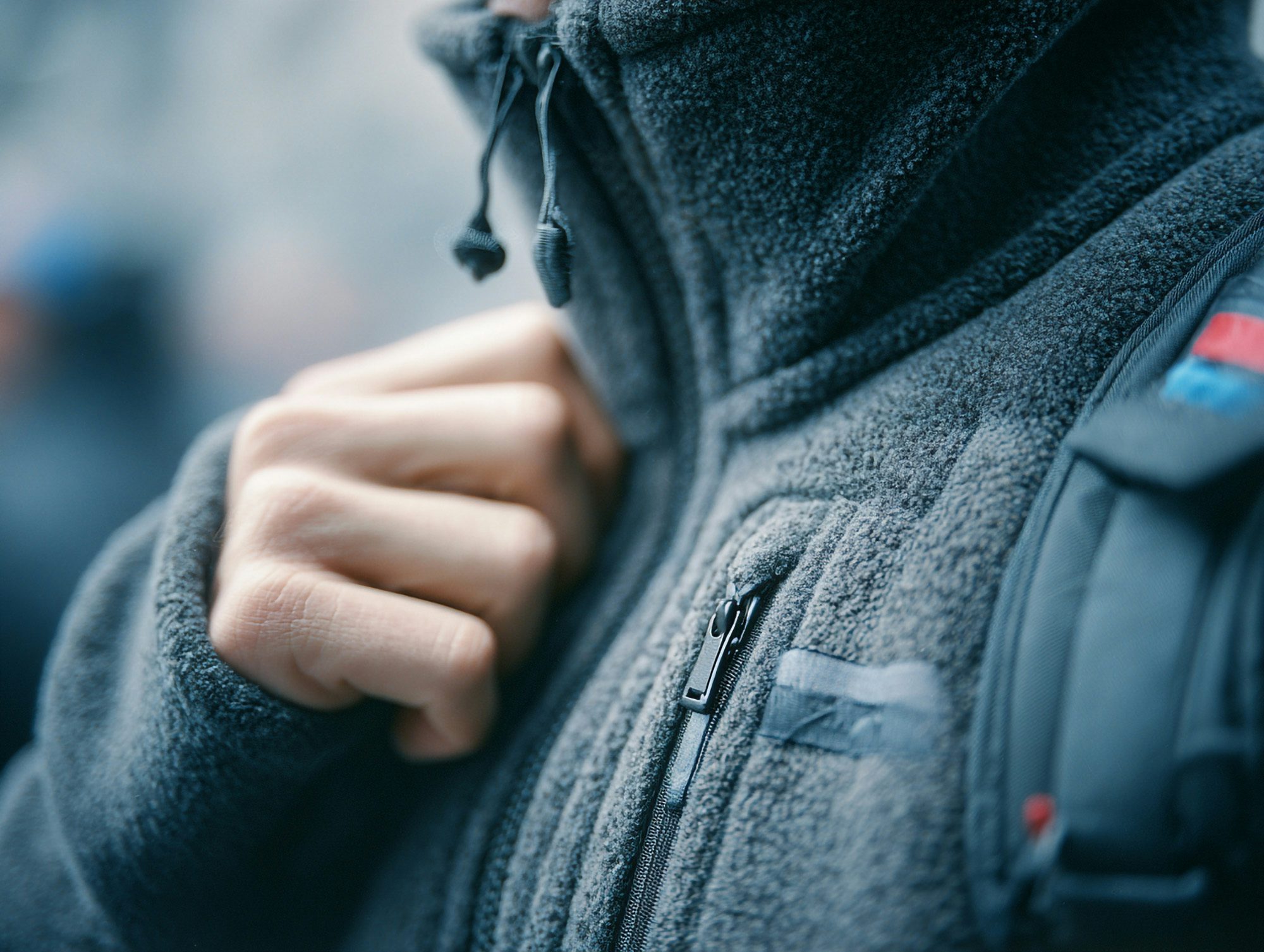
Add a zipup fleece to vent heat when you’re pushing hard, or a micropuffer jacket – warm yet weightless, recommend the teams at Columbia & Sorel.
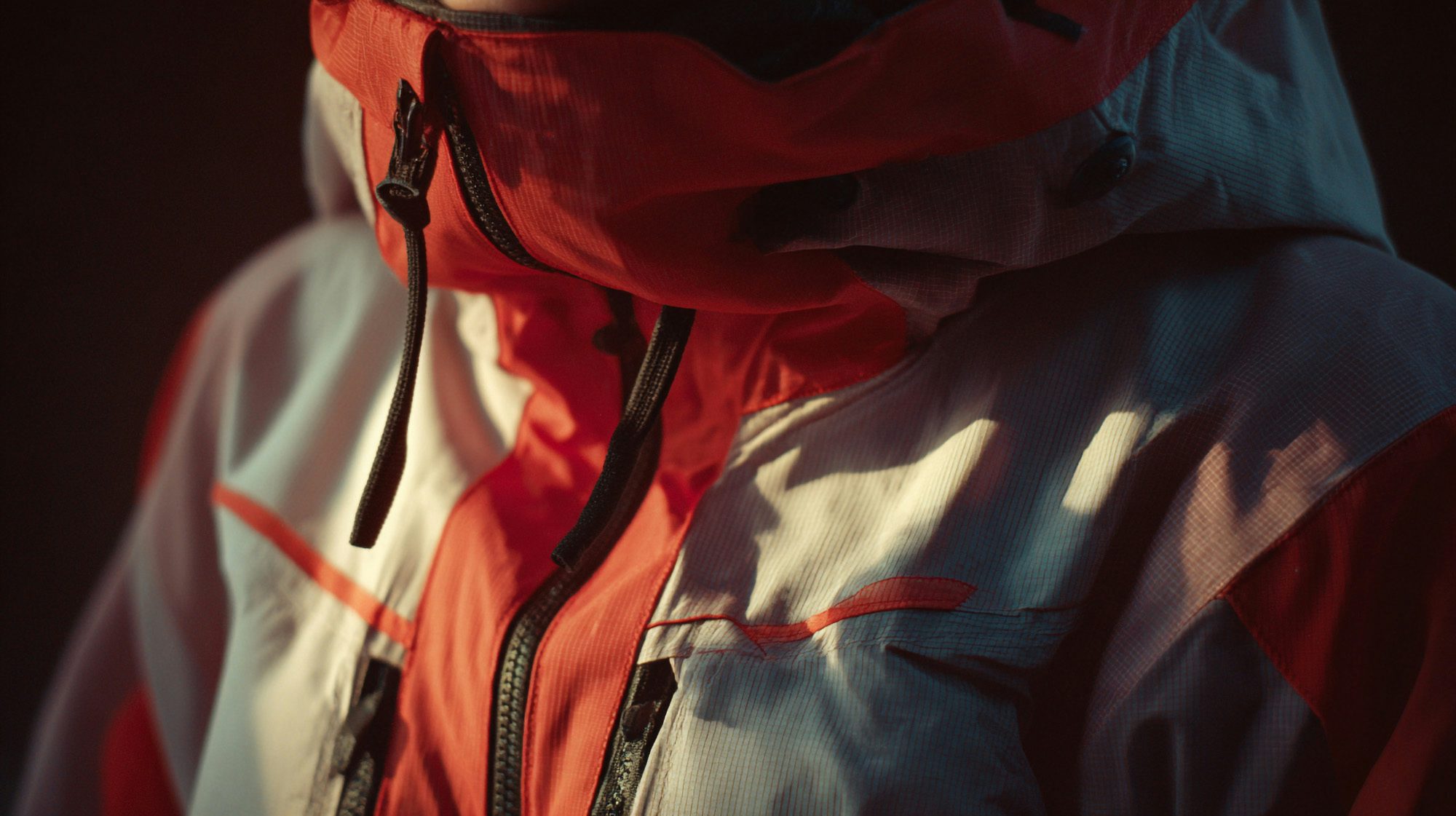
Top it off with a windproof, breathable jacket and trousers, with waterproofing according to the activity planned, advise the experts at Helly Hansen.
The same logic applies to your hands
Layering is the pro tip of the Valley’s mountaineers: they head off with a pair of liners for fine handling – tying knots in icy winds – and thicker gloves or mitts for summit chill.
You, on the other hand, might use those liners for your little one’s eighth nosewipe in an hour.
So… gloves or mittens? Gloves – classic and practical. Mittens – toasty and protective. And if you can’t decide, meet halfway with “lobsters,” the hybrid half-mittens sold at Intersport (route du Bouchet).
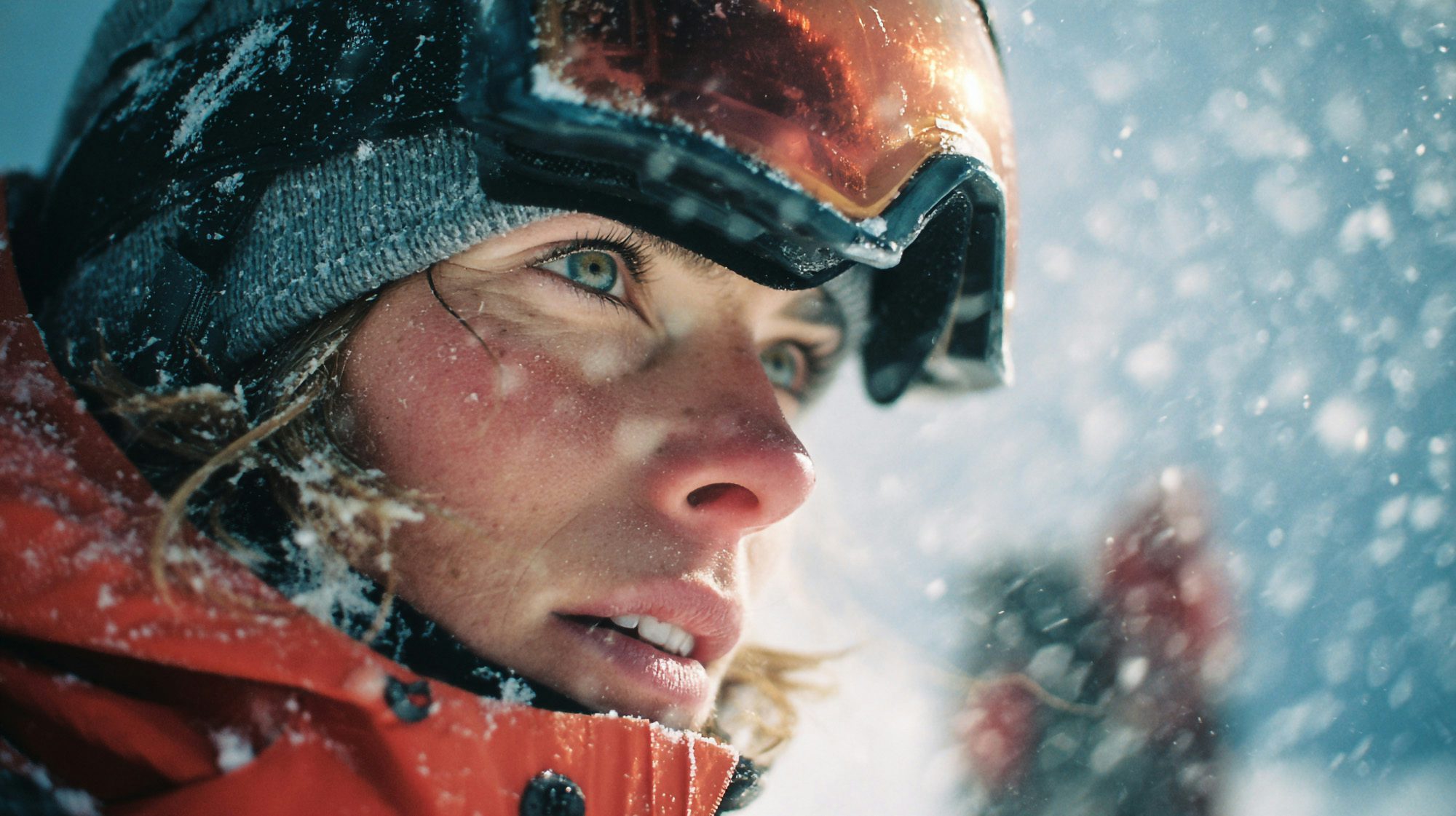
A helmet saves what matters most.
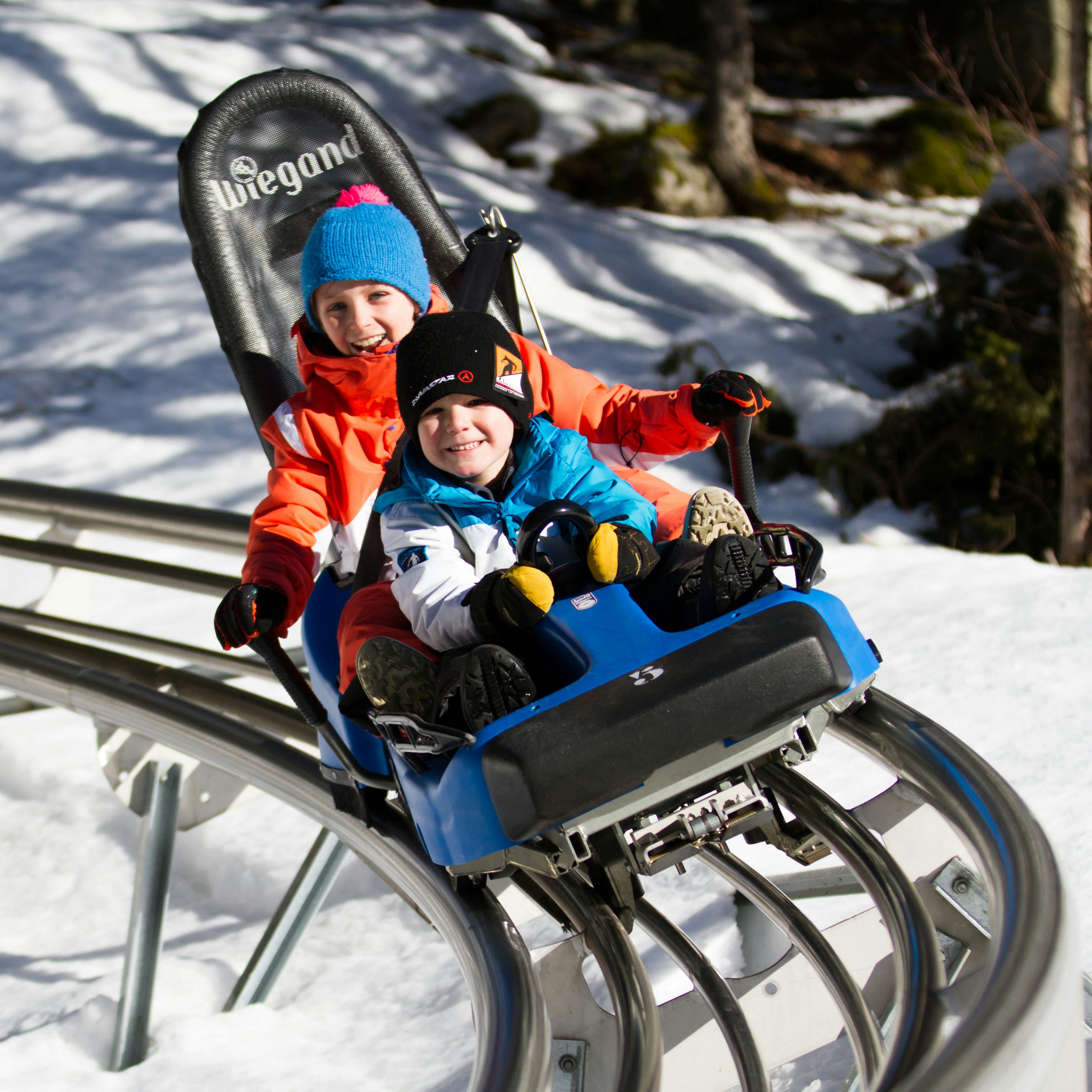
Mandatory for children in lessons, it’s now the norm for every head and every kind of slide – even sledging.
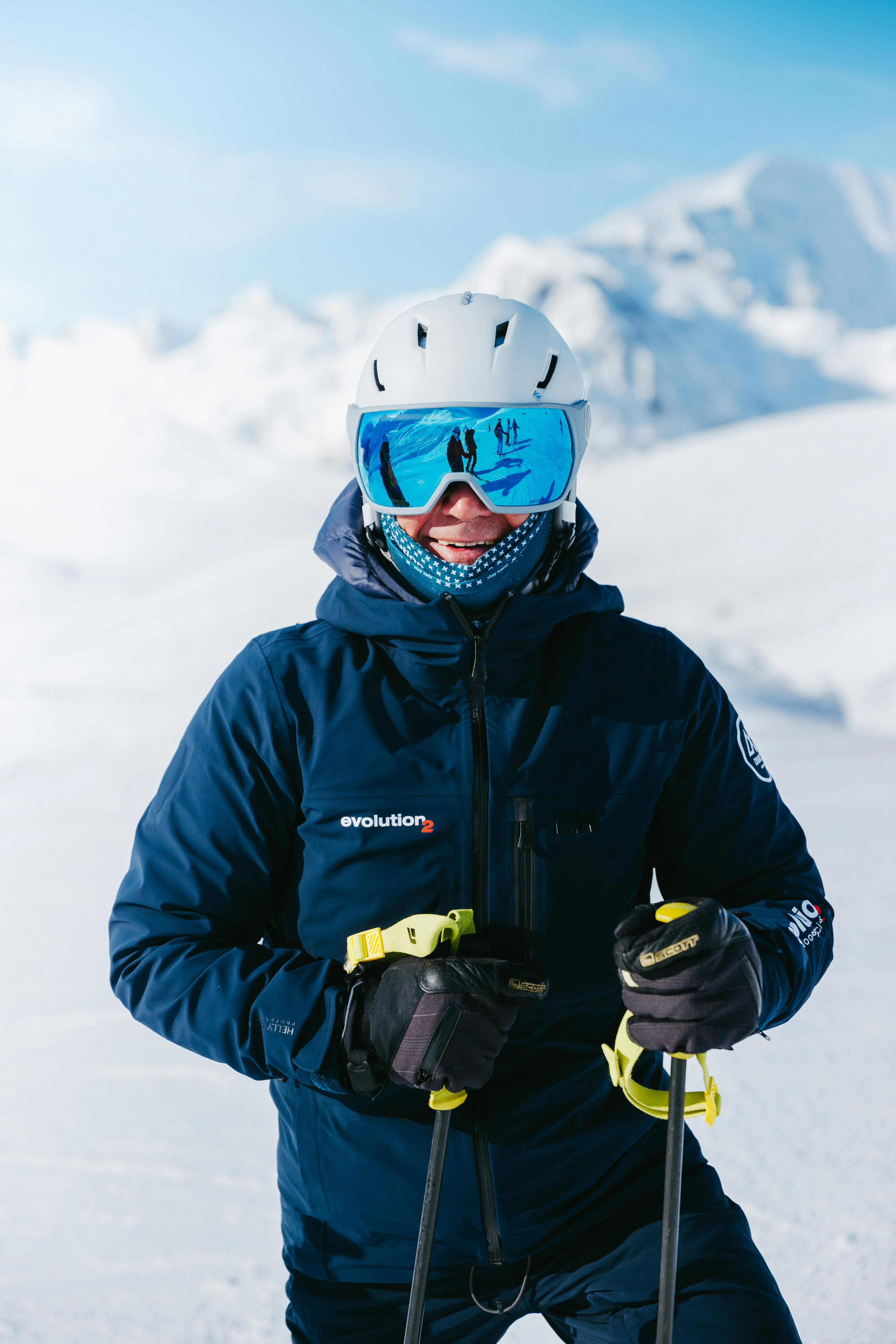
To do its job well, your helmet must fit snugly and breathe easily.
Stylish, too?
Two tribes stand out:
purists in sleek monochrome (spotted at Salomon), and daredevils in freestyle helmet covers – see Bozon Sports.
Eyes are precious.
In the mountains, UV exposure climbs about 10 % every 1,000 metres, while snow bounces back up to 90 % of the light.
And no – clouds are not sunscreen.
Go for UV rated sunglasses or goggles – at least category 3 lenses, and 4 above 3,000 m (say, on Mont Buet).
For the ultimate protection and that unmistakable Chamonix alpinist look, glacier glasses with side shields are the classic.
Fun fact:
At the request of the Valley’s crystal hunters, Jura born craftsman Jules Baud designed the first glacier goggles in the early 20th century – Alpine chic before its time.
Snowboard boots? Cushioned comfort.
Nordic ski boots? Flex and freedom.
But comfort in alpine ski boots – is that even possible?
Absolutely, promises Arthur from Sanglard Sports.
This Chamonix institution has been shaping skiers’ comfort since 1924.
Flex should match your level – soft for beginners, stiffer for those who carve.
Before trying them on, take the “honesty test.”
Want something as unique as your own footprint?
Snell Sports and Ravanel & Co specialise in boot-fitting workshops:
custom soles moulded to you, liners thermo-formed or injected, shells heated and fine-tuned.
That’s true made-to-measure comfort for the 28 bones, 16 joints, 107 ligaments, and 27 muscles in every foot – tiny marvels of nature.